


Speech Therapy

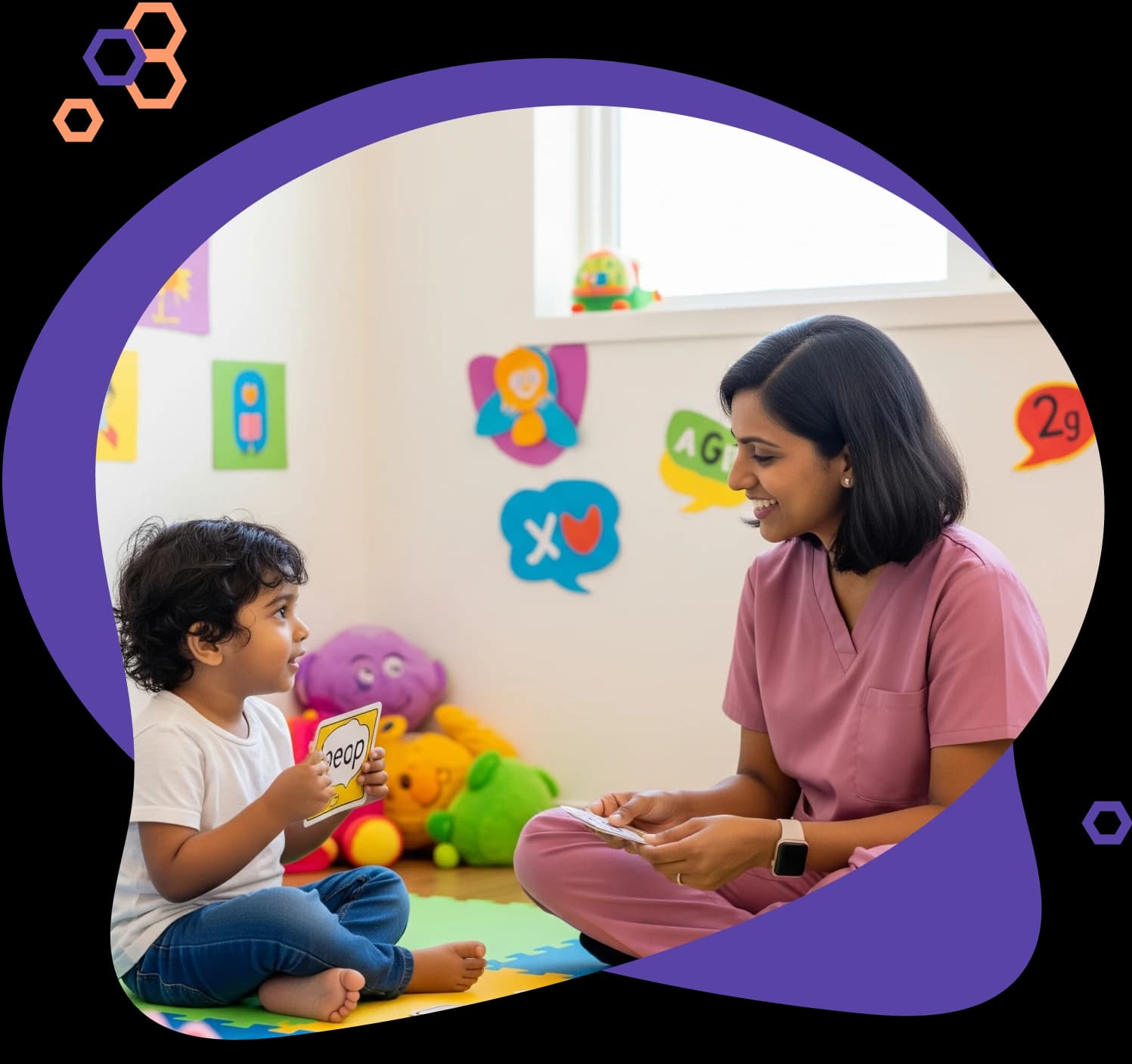
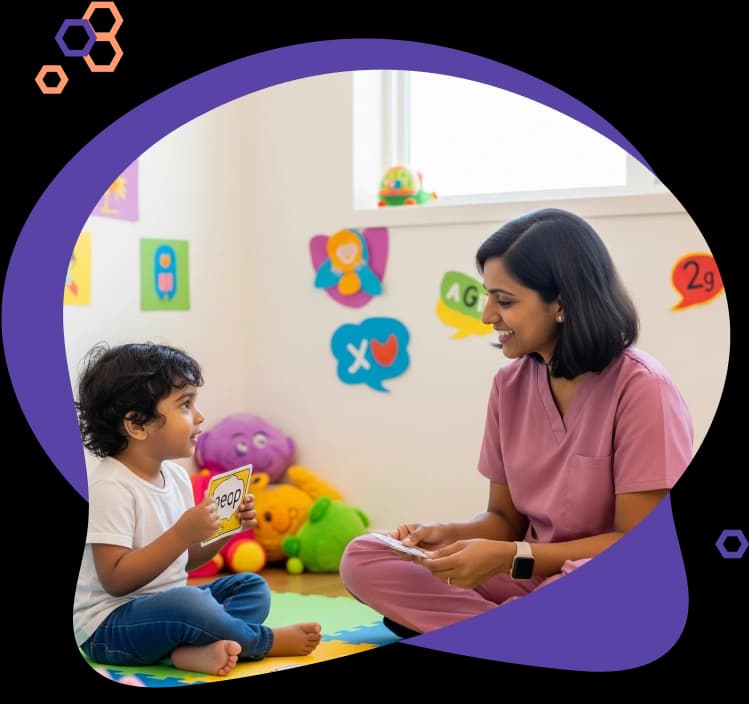
You don’t have to wait to understand what support looks like. At BabyMD, our speech and language therapists work with your child to nurture communication skills — from early sounds to clearer sentences.
When toddlers struggle to speak, they often feel left out or frustrated, which can really hurt their confidence. Early intervention helps them find their voice so they can express themselves and connect with the world just like any other kid.
Questions parents often have about Speech Therapy

- Says fewer words than expected
- Uses gestures more than speech
- Gets frustrated when trying to express themselves
- Speaks more clearly with you than with others
How Does Speech and Language Support Helps?



Speaking clearly and being understood

Taking part in conversations

Noticing and using sounds and words

Connecting ideas with the right words

Chewing and swallowing safely

Feeling confident while communicating

Putting words together into sentences

Participating comfortably at school and in social settings

What to Expect at Your First Visit
Step 1
We start with a conversation to listen to what you've noticed about your child's communication.
Step 2
We spend time with your child through gentle play to understand how they communicate.

Step 3
Walk away with clear, practical tips that you can start using immediately at home.
Step 4
We decide the next steps together, always ensuring it's a shared decision and never rushed.
Our Speech Therapists & Psychologists

Ms. Rahana
Bachelor in Audiology & Speech-Language Pathology, 6+ Years of Experience

Ms. Liya Jones
Bachelor in Audiology & Speech-Language Pathology, 7+ Years of Experience

Ms. Ipthesham Parwez
M. Sc. in Speech Language Pathology

Ms. Athulya Shaji
Bachelor of Audiology and Speech-Language Pathology

It's different with
BabyMD by your side
We partner with parents

Led by Developmental Pediatrics


100% RCI Certified Psychologists
Prudent Sessions
All Therapists Under One Roof
Personalised Therapy Plans
Parent Coaching & Support





Proof that a little support goes a long way
"We weren’t sure if our child even needed therapy. That first session itself helped us understand what was going on with Navya and what we could do at home. There was no pressure, just a lot of reassurance. Thanks to Therapist Pranavya, we are very happy with the progress."

"My wife and I came in just to understand if we were worrying too much about our son. That conversation alone helped us relax. The sessions felt easy, and our Atharv warmed up without being pushed,good care by Therapist Liya and team."
We're Here
Worried about your child’s speech or language development? Unsure if they’re hitting the right milestones? Our speech therapists are here to listen, assess, and guide you—no rushed appointments, just real conversations.
parents really ask
us(a lot!)
